

Want to learn the process to chuck off the QuickBooks error 1625? If yes, then your search ends over here. This segment is drafted with an intention to apprise you of the most effective solutions to the QuickBooks error 1625. You might bump into this error at the time of establishing the program. Furthermore, when a Microsoft corporation related program is running, this error is most probable to occur. You might face such an error with a warning message that says “This installation is forbidden by system policy that occur when installing or updating QuickBooks desktop”.
Another situation when such an error could be seen can be if the system starts or the windows shut down, or also at times when the window’s working framework is installed. To get a better insight into QuickBooks error code 1625 and to unleash the root causes and fixes to such an error, make sure to stick around this segment carefully.
In what conditions the QuickBooks error 1625 appears?
Talking about the QuickBooks error 1625, it can be noticed during the following situations:
- You are not logged in as admin.
- Another situation can be if the windows installer program download is corrupted.
- You might also face such an error in the situation when the Windows registry is corrupted from where the program is installed.
- There are malware or virus infection.
- Some other external programs have erased windows installer records.
- The installation framework of your device has corruption.
Actions to Fix the QuickBooks Error Code 1625
Well there are many solutions or ways to fix the QuickBooks Update Error 1625. But here we are mentioning some of the best solution:
Method 1: Change the admin settings in the admin templates
On Windows 7, 8, 10:
- For this, you need to head to the run window by tapping on the Windows key + R keys.
- Type in 'gpedit.msc' and hit the ok tab.
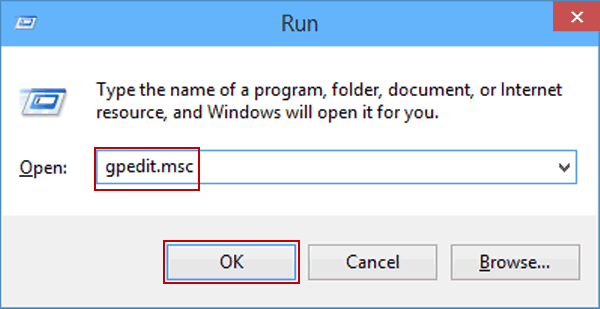
- Head to the local computer policy window and also hit on computer configuration.
- Move to the admin templates.

- Go to windows components and click on windows installer.
- From applying vendor signed updates, double-click prohibit non-admins option.
- Lastly, head to disabled and hit ok tab.
On Windows XP:
- Move to the start on the taskbar and choose run tab.
- Type in 'gpedit.msc' in the Run window and hit on the ok tab.
- Head to the local computer policy window and also opt for the computer configuration.
- Move to the admin templates.
- Go to the windows components and click on windows installer.
- From applying vendor -signed updates, double-click prohibit nonadmins option.
- Finally, head to disabled and hit on the ok tab.
Method 2: Change the UAC Setting
- Herein, you need to go to the Windows + R keys.
- After that type in 'MSCONFIG' in the search box and hit enter key.

- If the UAC window asks for confirmation, select Change User Account Control Settings and select Continue.
- Now click on OK button after lowering the slider to the Never Notify option.

- Lastly, try to install the updates once more after restarting the system.
Method 3: Make Changes to the Computer’s Software Restriction Policy
- Head to the Start tab and advance to the control panel.
- Then click the System and Security tab.
- Select Local Security Settings from the menu that appears under Administrative Tools.

- If there are no restrictions, select Software Restriction Policies and right-click the Software Restriction Policy Mode.
- After that click on New Software Restriction Policy and double-click on the Enforcement.

- Select the option labeled "All users except local administrators" from the Enforcement Properties window.
- After selecting OK, restart your computer.
Method 4: Backup your registry files
- To begin with, hit on the start tab.
- Type in 'command' into the search bar without pressing the Enter key.
- Press the Enter key while keeping the Ctrl + Shift keys pressed at the same time on the keyboard.
- The permission dialog box will then appear on your screen, where you must select the Yes option.
- After that, the block box will open up with a blinking cursor.
- You need to now type in 'regedit' and press the enter key.
- Now select Export from the file menu.
- Type the backup company file name in the file name field.
- After that, click the Export Range button and opt for the Selected Branch. Then press OK button.

- Hit on the save tab.
- And also select a location to save the file with a .reg extension by going to Export.
- Lastly, backup the windows installer and check if the issue is resolved or not.
Method 5: Update your device drivers
You can spot the issue with obsolete gadget drivers. Herein, you would have to refresh the drivers to settle the QuickBooks error code 1625. See that the drivers should be refreshed and correctly used. In case you make use of the wrong driver, then this error can be seen. You can make use of the driver doc that refreshes a large part of the gadget drivers. This improves the working when such an error occurs and also improves the overall functioning of the flow drivers.
Method 6: Uninstalling Duplicate Copies of QuickBooks Desktop
- Press the Windows + R keys to open the Run box.
- After that type CMD in the box to open the Control panel.
- Now select Programs and Features option. Here you will get the programs list.
- Here you need to select the Uninstall a Program option.
- Look for the same versions of QuickBooks desktop to determine the copies.

- After that select the Copies and select Uninstall/Change to remove them from the computer.
Closing Up!
Tackling QuickBooks update error 1625 is a cake-walk for you once the steps that we have stated above are performed. As always, if you need any of our assistance, or for any query or concerns, please connect with our QuickBooks error support team at 1-888-368-8874. Our experts will be happy to assist you.
Related Articles:



 +1-888-368-8874